How to Turn a Client’s Vision into a Stunning Design
Every designer has faced this challenge: a client comes to you with a vision, sometimes clear, sometimes abstract, and you’re tasked with transforming their ideas into a tangible, stunning design.
At Bluewave Digitals, we’ve mastered the art of bridging the gap between imagination and reality. Here’s our proven process for turning client visions into design masterpieces.
1. Listen First, Design Later
The foundation of any successful design project is understanding. Before opening your design software, invest time in truly hearing what your client wants.
Ask the right questions:
- What problem are you trying to solve?
- Who is your target audience?
- What emotions should this design evoke?
- What are your brand values and personality?
- Can you show me examples of designs you love (and hate)?
Active listening goes beyond words. Pay attention to the language clients use, the examples they share, and even what they don’t say. Sometimes the most valuable insights come from reading between the lines.
2. Create a Visual Mood Board
Words can be ambiguous, but visuals speak a universal language. Once you’ve gathered initial information, create a mood board that captures the aesthetic direction.
Include:
- Color palettes that match their brand personality
- Typography styles (modern, classic, playful, professional)
- Imagery and photography styles
- Textures and patterns
- Competitor designs and industry examples
Share this mood board with your client early. This alignment checkpoint saves countless revision rounds later and ensures you’re both visualizing the same end result.
3. Translate Abstract Ideas into Concrete Design Elements
Clients often communicate in feelings: “I want it to feel fresh,” or “Make it pop.” Your job is to translate these abstractions into specific design choices.
Here’s how:
- “Fresh” might mean plenty of white space, clean lines, and a minimalist approach
- “Pop” could translate to bold colors, dynamic typography, or eye-catching graphics
- “Professional” might require a sophisticated color palette, elegant fonts, and structured layouts
- “Innovative” could mean asymmetrical layouts, unexpected color combinations, or cutting-edge trends
Create a design vocabulary document that maps their descriptive words to your design decisions. This becomes a reference point throughout the project.
4. Start with Strong Foundations
Before diving into details, establish the structural elements:
Hierarchy: What information is most important? Design should guide the eye naturally through content in order of priority.
Balance: Create visual equilibrium through the strategic placement of elements, whether symmetrical or asymmetrical.
Consistency: Develop a cohesive system of colors, fonts, spacing, and styles that can scale across all deliverables.
White Space: Remember that what you don’t include is as important as what you do. Strategic emptiness creates breathing room and sophistication.
5. Present Your Design with Confidence and Context
How you present your work is almost as important as the work itself. Don’t just hand over files—tell the story behind your design decisions.
Effective presentation includes:
- Walking clients through your thought process
- Explaining how each element serves their goals
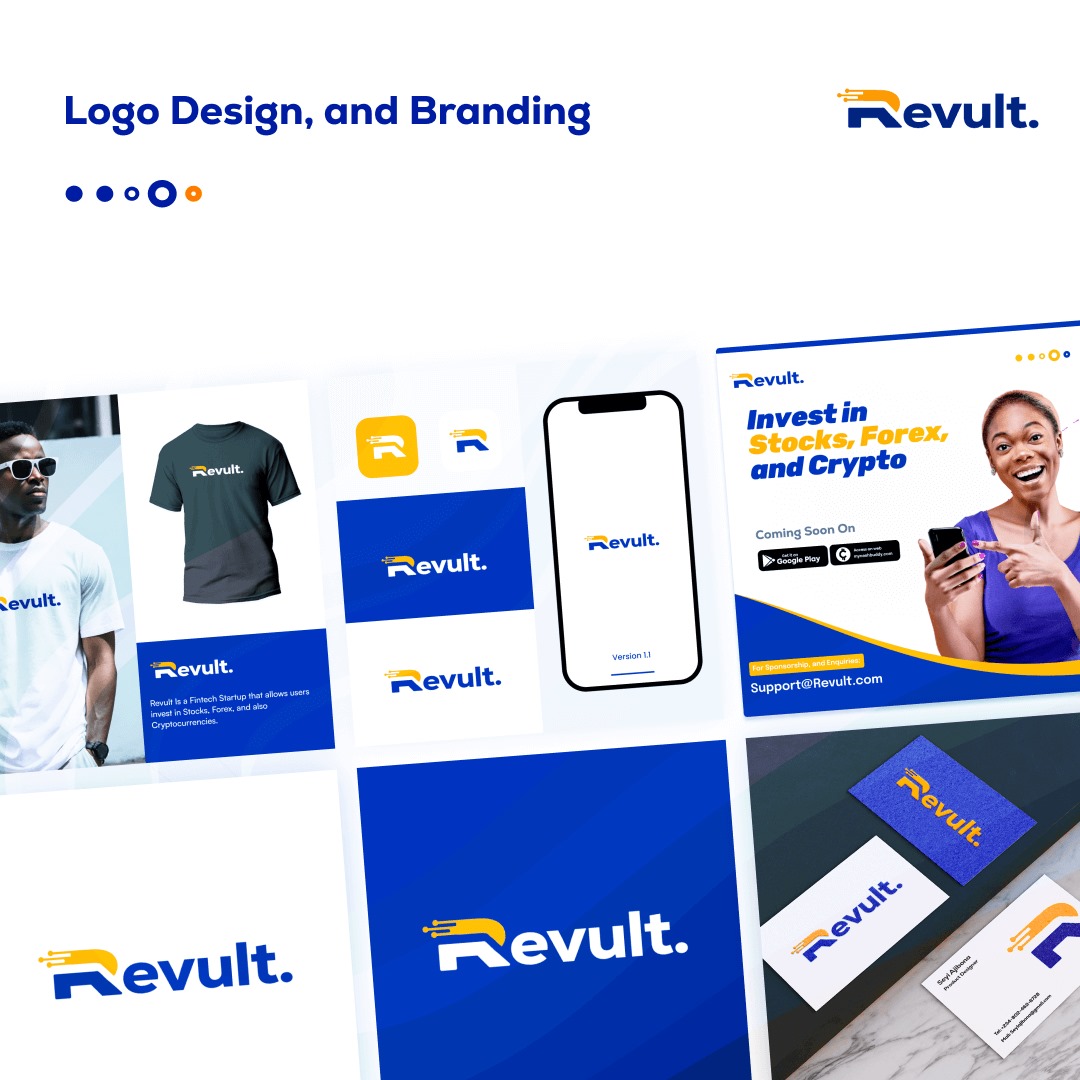
- Showing the design in context (mockups, prototypes, real-world applications)
- Highlighting how it solves their original problem
- Demonstrating responsiveness across different devices and platforms
When clients understand the “why” behind your choices, they’re more likely to trust your expertise and approve designs faster.
6. Build in Structured Feedback Loops
Revisions are part of the process, but they should be productive, not endless. Create a structured feedback system:
- Request specific, actionable feedback rather than vague reactions
- Ask clients to prioritize their concerns (what’s critical vs. nice-to-have)
- Limit revision rounds in your contract
- Use collaborative tools where clients can annotate directly on designs
- Schedule feedback meetings rather than relying solely on email
Remember: your role includes educating clients about design best practices. If a requested change would harm the design’s effectiveness, explain why and offer better alternatives.
7. Stay True to Design Principles While Honoring Client Preferences
The delicate balance every designer must strike: respecting the client’s vision while maintaining design integrity.
When client requests conflict with good design:
- Explain the principles at stake (readability, accessibility, user experience)
- Show examples of why certain approaches don’t work
- Offer compromise solutions that address their concern without sacrificing quality
- Remember that education is part of your service
Your expertise is why they hired you. Don’t be afraid to advocate for design decisions that serve their ultimate goals, even if it’s not what they initially imagined.
8. Iterate Thoughtfully
Great design rarely happens in the first draft. Embrace iteration as a refinement process, not a sign of failure.
Each round should bring you closer to the ideal by:
- Testing designs with real users when possible
- Analyzing how well it meets the original objectives
- Refining details like spacing, alignment, and color values
- Ensuring technical feasibility and performance
- Checking accessibility standards
Document your iterations. Sometimes clients want to circle back to earlier versions, and having a clear evolution trail is invaluable.
9. Deliver Beyond Expectations
The final delivery is your chance to exceed expectations and create raving fans.
Go beyond just sending files:
- Provide comprehensive brand guidelines or style guides
- Include multiple file formats optimized for different uses
- Offer a brief tutorial on how to use and maintain their design assets
- Suggest future enhancements or phase-two opportunities
- Follow up after launch to gather feedback and results
10. Learn and Evolve from Every Project
Every client teaches you something new. After project completion:
- Reflect on what worked well and what didn’t
- Gather testimonials and case study material
- Update your processes based on lessons learned
- Add successful techniques to your standard workflow
At Bluewave Digitals, we believe that turning visions into stunning designs is both an art and a science. It requires creativity, strategic thinking, empathy, and excellent communication. Master these elements, and you’ll not only create beautiful designs but also build lasting client relationships.
Ready to bring your vision to life? At Bluewave Digitals, we specialize in transforming ideas into designs that don’t just look beautiful; they deliver results. Let’s create something stunning together.
Contact us today to start your next design project.